
Meta Ads for a Printer Cartridge Recycler: Cost per Lead from $12.50 to $4.25

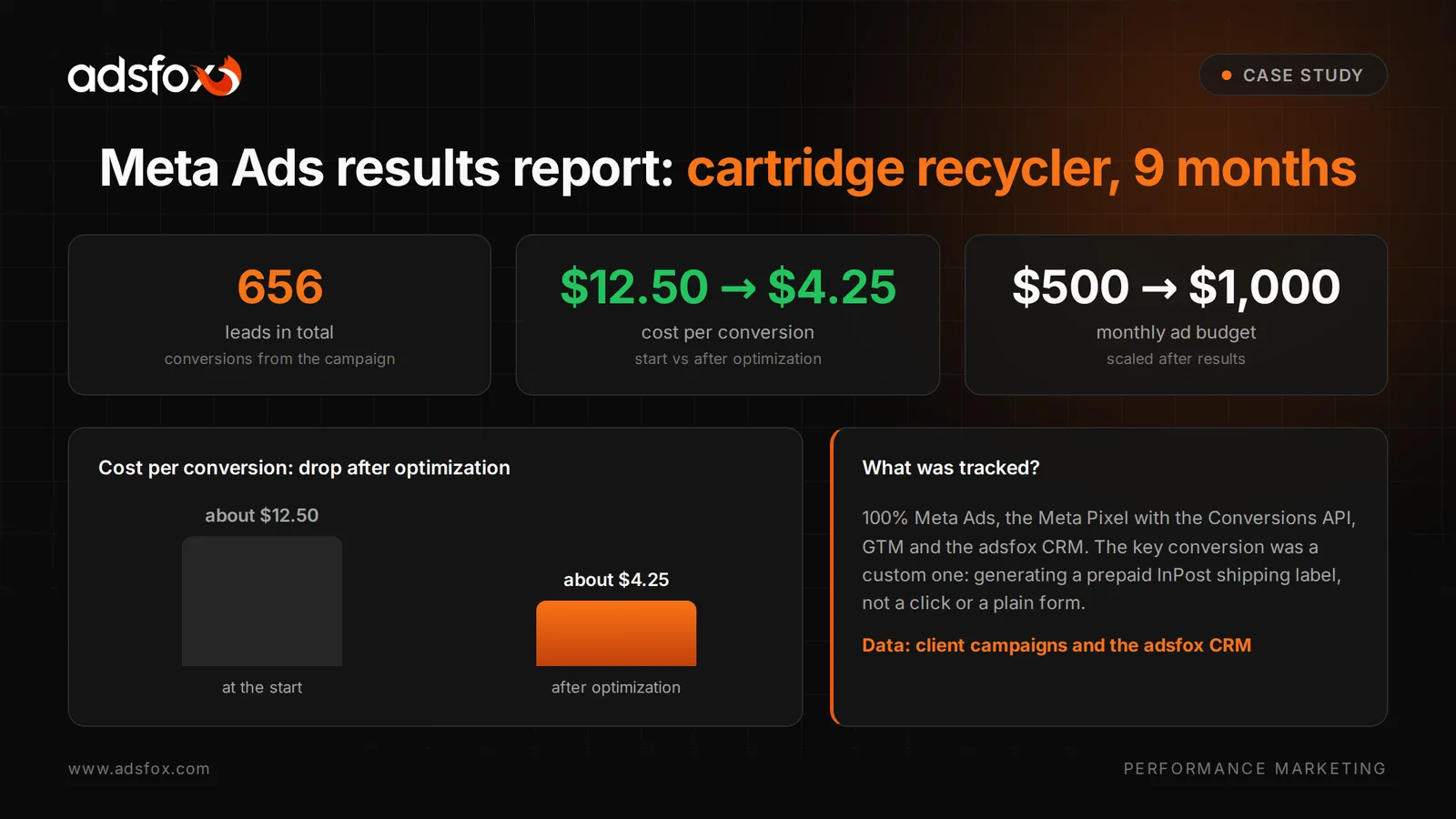
Advertising a printer cartridge recycling business can generate leads effectively if the campaign clearly tells the user what to do and the system tracks the right conversion. This case study covers a recycling client where the cost per conversion dropped from about $12.50 to $4.25 and the campaign generated 656 leads in total. The data comes from the client’s campaigns and the adsfox CRM after 9 months of working together.
Recycling business Meta Ads case study: how to advertise a used cartridge buyback online
How did a simple educational message, Meta Ads campaigns, conversion tracking and a CRM bring in people interested in handing in their used printer cartridges for recycling?
The goal of this project was not simply more website traffic. The goal was to get the user to take a specific action: hand in a used ink or toner cartridge, which in practice meant generating a prepaid shipping label. That is an important distinction, because in this kind of campaign an ad click does not yet mean a valuable result. Only a correctly tracked conversion shows whether the ad budget is really working toward the business and social goal.
The client: Michal and his recycling business
Michal works in recycling and buys back used ink and toner cartridges for printers. The company serves customers across Poland, and lead generation is based on forms on its website.
Before the engagement the client was not running any active advertising. So there was no optimization history, no comparison data from earlier campaigns and no developed system for assessing lead quality right away.
The starting point was a simple but common problem: the company had a valuable service, but it needed an effective way to reach people who have used cartridges and do not know how easy it is to hand them in. In this industry, information about the buyback alone is not enough. The user has to quickly understand the process: what to hand in, how to generate a label, where to send the package and what cause their action supports.
First contact with adsfox
Michal came to adsfox through a referral. The deciding factor was a good opinion from someone who had used our services before and could vouch for the quality of the work.
That matters, because with a first advertising effort the client often judges the agency not by charts, but by trust. If a company has not run campaigns before, it needs a partner who will not only set up the ads, but also organize tracking and turn data into decisions.
That is exactly how adsfox works: the campaign, tracking, CRM and interpretation of results are treated as one system. The conversation does not end with how many clicks there were. What matters more is how many conversions there were, what they cost and what actually changed on the client’s side.
Why adsfox?
The client was convinced by the referral and by an approach to running campaigns based on measurability. From the start, the project was about more than launching ads. It was about building the foundation for optimization.
adsfox is a Meta Business Partner, so in lead campaigns we look not only at the ad configuration, but also at the quality of the signals sent to the platform. For a project like used cartridge collection this was especially important, because the standard conversion was neither a classic purchase nor an ordinary contact form.
The key was establishing what a valuable lead really means for this client. Here it was a person who goes through the process on the website and generates a prepaid shipping label, an action much closer to the real business outcome than a click on an ad.
The free, no-obligation consultation and the starting point
During the initial analysis we checked what needed to be prepared before scaling. The brief identified two key gaps: no Meta Pixel and no conversion tracking for the form or the on-site action.
That matters, because without correct tracking a campaign can look active while the algorithm gets no clear information about which actions are valuable. Then the budget tends to be optimized for traffic, clicks or random interactions instead of the real business goal.
So in this project the starting point was not just the ads, but the analytics too. We implemented a technical setup that made it possible to measure the right event and evaluate the campaigns by conversions rather than surface metrics.
How the engagement started
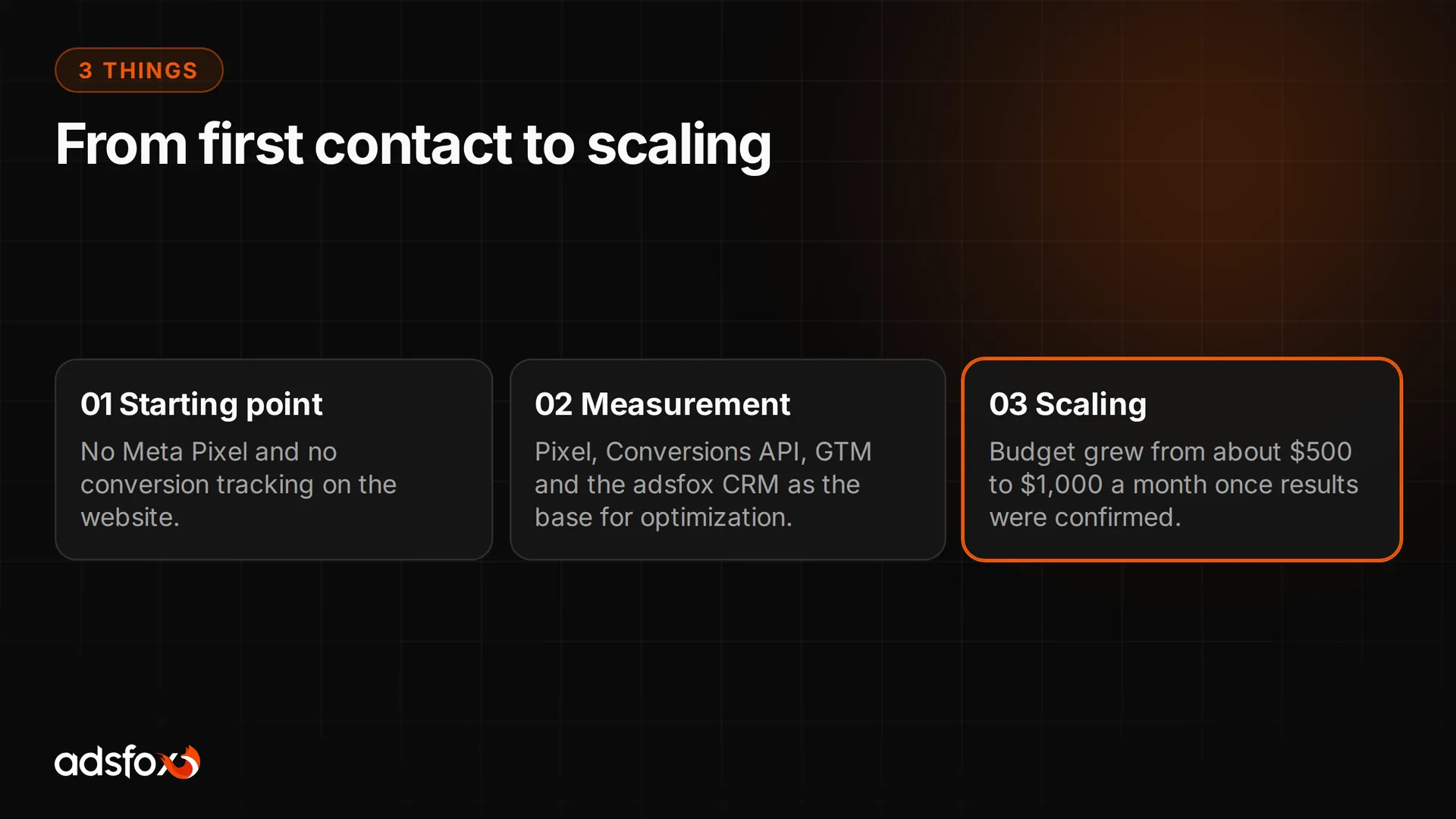
The engagement has been running for 9 months. The starting ad budget was about $500 a month, and it is now about $1,000 a month.
The main channel was Facebook and Instagram Ads. That is what the results below are based on: cost per conversion, number of leads, user reactions and engagement in the comments.
The starting budget was a reasonable test for this industry. It was enough to check whether a simple educational message, interest-based targeting and a well-defined conversion could build a scalable process for generating leads from Meta Ads.
Advertising budget for a cartridge recycler
In projects like this the budget should allow you to collect data, not just run ads for a short time. In this case study the start was about $500 a month, and after results came in the budget grew to about $1,000 a month.
That is a healthy order of scaling. First you check the message, the tracking and the cost per conversion. Only then does it make sense to increase the budget. Raising spend without data usually just increases the number of clicks, not necessarily the number of valuable leads.
Here, getting the cost per conversion down to about $4.25 provided the basis for expanding further and testing new markets and ad channels.
Campaign preparation
Before launch we implemented the elements needed to measure and optimize the campaigns:
- Google Tag Manager,
- the Meta Pixel,
- the Conversions API and server-side tracking,
- the adsfox CRM,
- conversion tracking tied to the form and to generating the shipping label.
The most important piece was a custom conversion. In standard e-commerce the conversion can be a purchase. In a classic lead campaign it can be a form submission. Here the key action was generating a prepaid shipping label (through InPost, a parcel locker carrier), because that was the action showing the user had actually gone through the process of handing in a cartridge.
This is a good example of why server side tracking and correct event configuration matter so much. If you track the wrong action, the campaign can optimize for activity that has no value to the business. If you track the right action, the algorithm gets a better signal and the team can make better decisions.
What we implemented in the recycler’s Meta Ads campaigns
Facebook and Instagram campaign
In the Meta Ads campaigns we focused on a simple educational message: how to hand in used cartridges and what the user gains by taking part. This was not communication based purely on selling. Three elements mattered:
- clear step-by-step instructions on what to do,
- showing a real charitable goal,
- making the path to conversion on the website easy.
Targeting was based on the 20-60 age group and interests such as ecology, printers, recycling and ethical shopping. That way the ads reached people with a natural motivation to take part, rather than random users.
Analytics and campaign measurability
In parallel we took care of tracking. Implementing the Meta Pixel, the Conversions API, GTM and the adsfox CRM made it possible to look at the campaign through the events that really matter.
A common mistake in lead campaigns is optimizing only for traffic or clicks. In this project that approach would have been especially risky, because a user could click the ad out of curiosity but never go through the cartridge hand-in process. That is why tracking the generated shipping label was essential.
If your company runs lead campaigns and wants to know which activities actually generate valuable contacts, take a look at our lead generation optimization system. This approach connects campaigns with lead quality data instead of reporting only the number of leads.
Communicating the charitable goal
An important part of the campaign was showing that handing in used cartridges has not only an environmental but also a social dimension. Thanks to the cartridges collected, the campaign raised the equivalent of roughly a thousand dollars for a well-known charity.
That kind of message works when it is concrete and credible. It is not enough to say the company supports a good cause. The user should see what actually happens thanks to their action. Here the cartridge hand-in process was tied to a measurable social result, which boosted engagement and the number of questions in the comments.
Cartridge recycler Meta Ads results
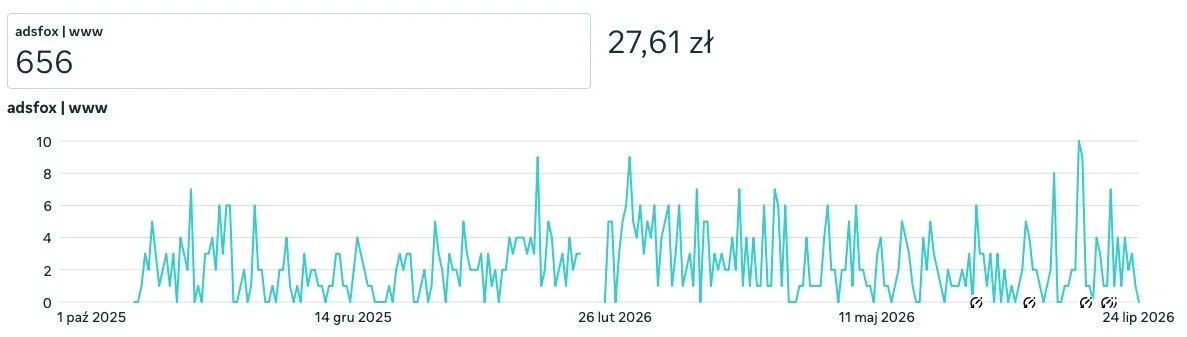
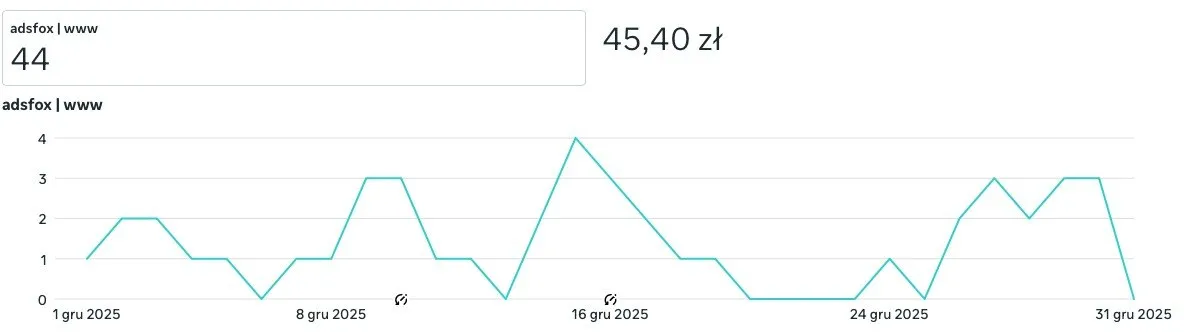
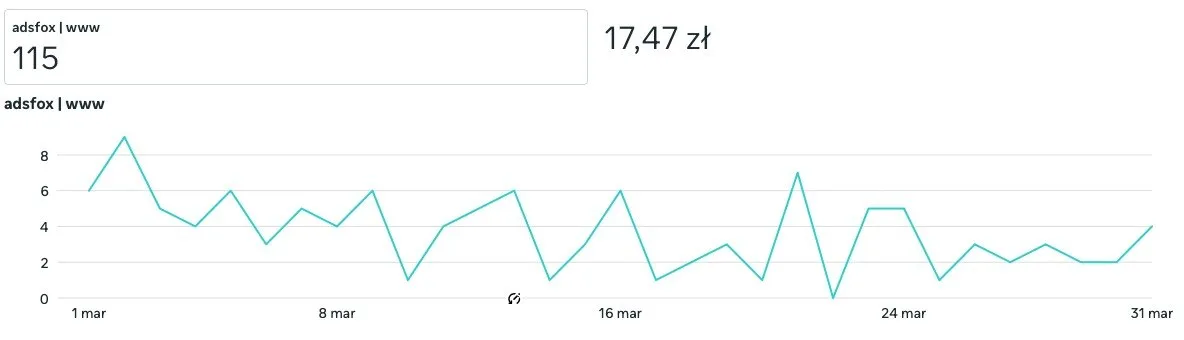
The most important result is the drop in cost per conversion from about $12.50 at the start to about $4.25 after optimization. In total the campaign generated 656 leads. The data comes from the client’s campaigns and the adsfox CRM after 9 months of working together.
In practice this means the campaign not only started generating interest, but also became far more cost-efficient. The drop in cost per conversion came from combining several elements: the right targeting, a simple message, custom conversion tracking and optimization for an action close to the real business outcome.
The first results were visible right after launch, in the form of many questions in the comments. That is an important signal in this industry. If users ask how to hand in cartridges, the ad has triggered a need for education and the audience has to be guided clearly through the next steps.
The screenshots below show amounts in Polish zloty (PLN), the client’s local currency; we converted them at roughly 4 PLN to the dollar.
What actually changed for the client
The strongest result is not the number of leads, but what the campaign made possible for the company.
On the client’s side there was a large number of comments and questions about how to hand in used cartridges. The campaign helped engage many people in supporting the charity, and thanks to the cartridges collected, the equivalent of roughly a thousand dollars was raised for a foundation supporting children with cancer.
The project also laid the groundwork for expansion. The client started testing the Czech market, which shows the campaign was not a one-off ad effort, but the start of scaling the lead generation model beyond Poland.
It is a good example of performance marketing supporting not only sales or form submissions, but also a broader organizational goal: educating the market, recycling and social impact.
Next steps
In the coming months the plan is to expand the campaign to additional platforms:
- launching TikTok Ads campaigns,
- testing further ad platforms,
- a possible trial of LinkedIn Ads,
- continued work on scaling beyond Poland.
That is a natural direction once the foundation is in place. If a campaign has correct tracking, a clear conversion process and a proven cost per lead, new channels can be tested more deliberately. The point is not to be everywhere. The point is to find out where a similar message and hand-in process deliver the best cost per conversion and the best lead quality.
How to advertise a used cartridge recycling business effectively
This project points to several lessons that may be important for companies in similar industries: recycling, buyback programs, environmental projects and social campaigns.
First, the message has to be simple. The user should immediately know what to do and why it is worth doing. A cartridge hand-in process that is too complicated can block the conversion even when the ad gets attention.
Second, do not optimize only for traffic. In this industry clicks can be cheap, but they do not necessarily mean real action. Tracking a specific step, such as generating a shipping label, matters far more.
Third, the charitable goal should be shown concretely. Information about funds raised for a foundation is stronger than a generic slogan about helping. Specifics build trust and make it easier for the user to act.
Fourth, test channels in stages. Starting with a budget of about $500-750 a month lets you collect data, and only then should you decide about increasing the budget or moving into TikTok, LinkedIn or a foreign market.
Want to check whether your campaigns track the right conversions and whether your budget is working toward a real result? Book a free marketing consultation and we will analyze your lead generation process and show you where efficiency can be improved.
Summary of the engagement
In this case study, advertising a cartridge recycling business showed that even a niche service can generate leads effectively if the campaign is built on a simple message, good tracking and optimization for the right conversion.
Key numbers from the project:
- cost per conversion at the start: about $12.50,
- cost per conversion after optimization: about $4.25,
- total number of leads: 656,
- starting budget: about $500 a month,
- current budget: about $1,000 a month,
- social impact: funds raised for a well-known charity.
The takeaway is simple: in lead campaigns it is not enough to deliver forms or clicks. You have to track the actions that actually show user intent and help grow the business.
If you want to organize your campaigns, tracking and lead generation process the same way, book a free marketing consultation. We will check which conversions are worth tracking and where your campaigns could be working more efficiently.
Related adsfox services
We can run a campaign like this for your business through our Facebook ads agency. Custom conversions like the one in this project are set up as part of our server side tracking service. If you want to first see where your budget is leaking today, start with a digital marketing audit, and the lead generation optimization system handles organizing leads and scoring their quality. You will find results from other projects in our other client case studies.