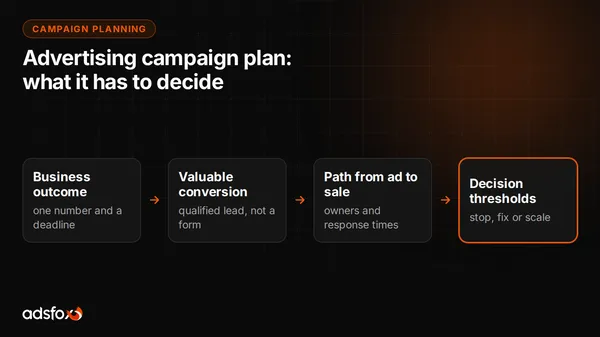
How to write an advertising campaign plan step by step: goals, budget, measurement, channel roles and a ready template that connects ad spend to sales results.

Online marketing is not guesswork. This section gathers practical digital marketing tips that help you spend your ad budget smarter: from measuring campaigns correctly, through generating leads that actually close, to managing online reviews and choosing an agency. Each article covers one specific thing that affects results, written by people who run campaigns every day.
How to write an advertising campaign plan step by step: goals, budget, measurement, channel roles and a ready template that connects ad spend to sales results.

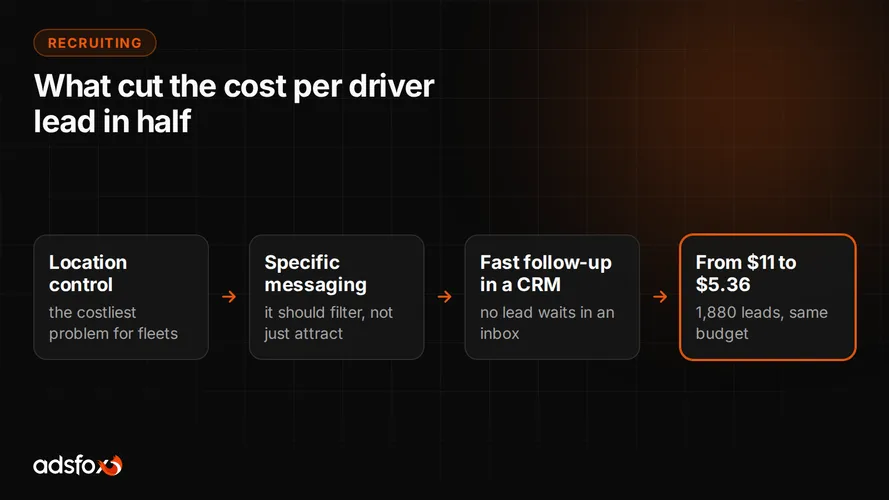
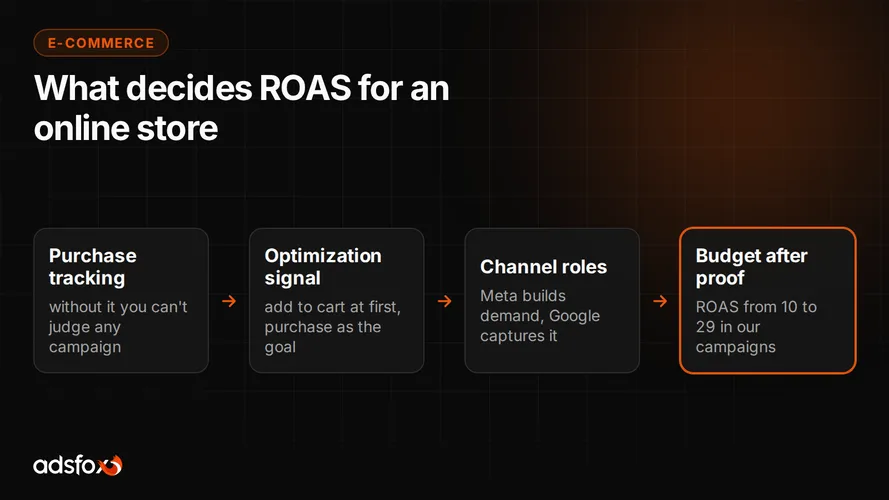
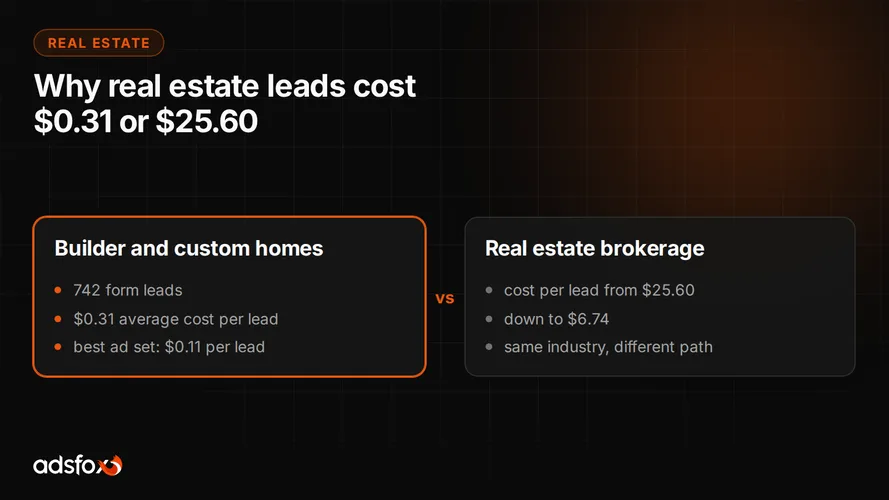


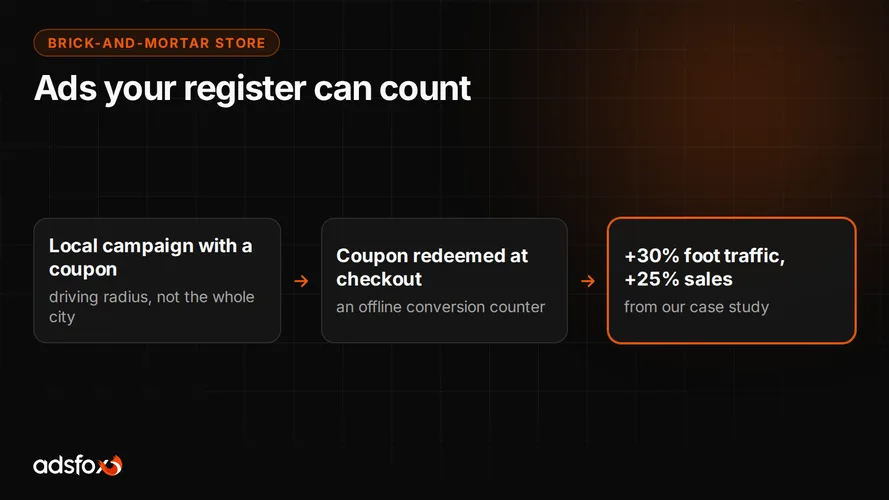
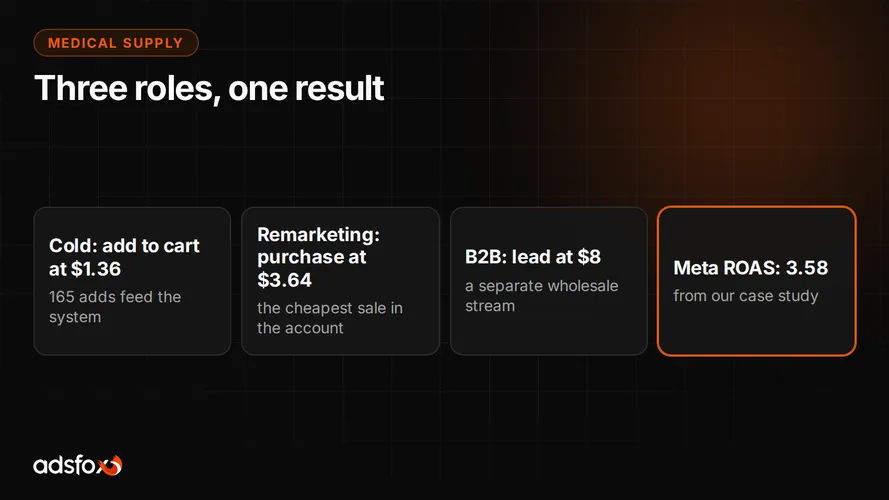
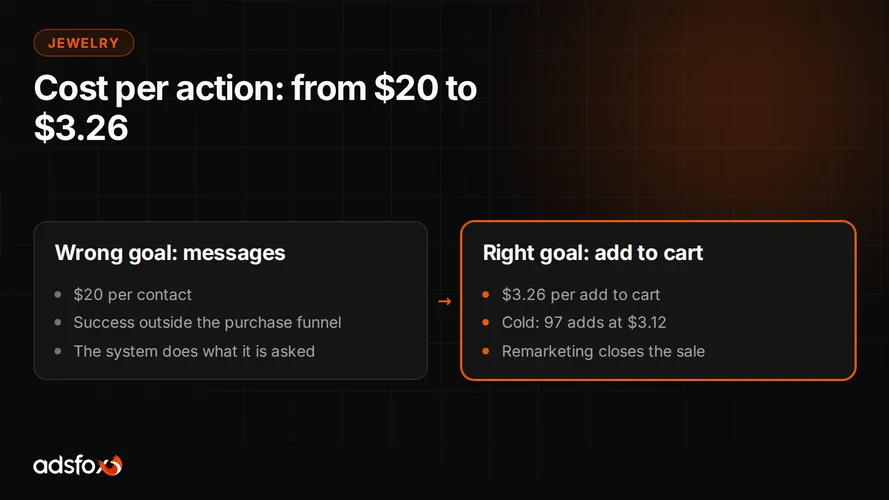
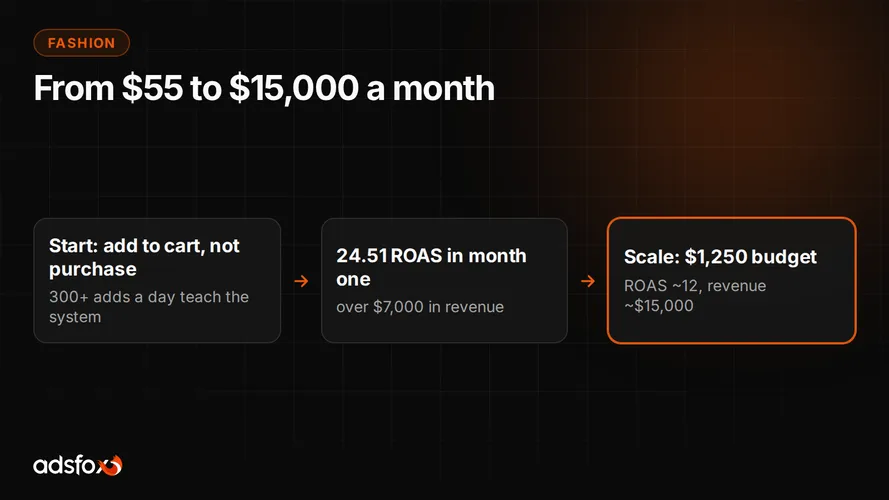
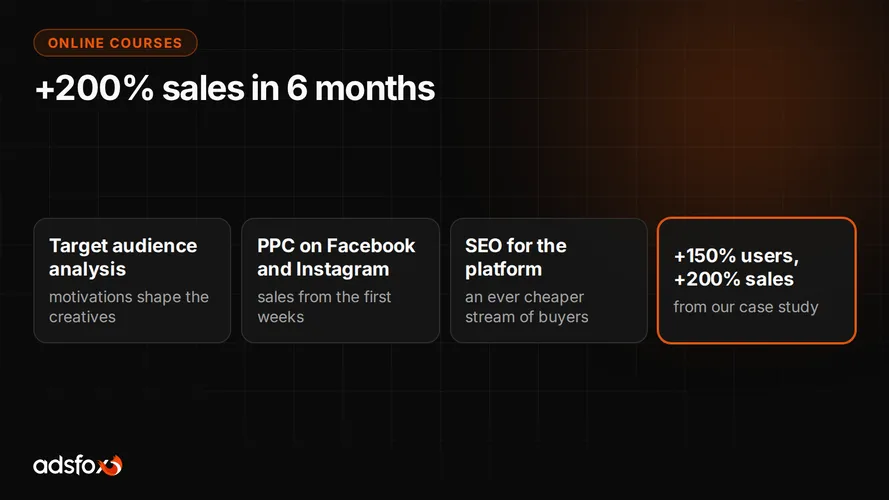
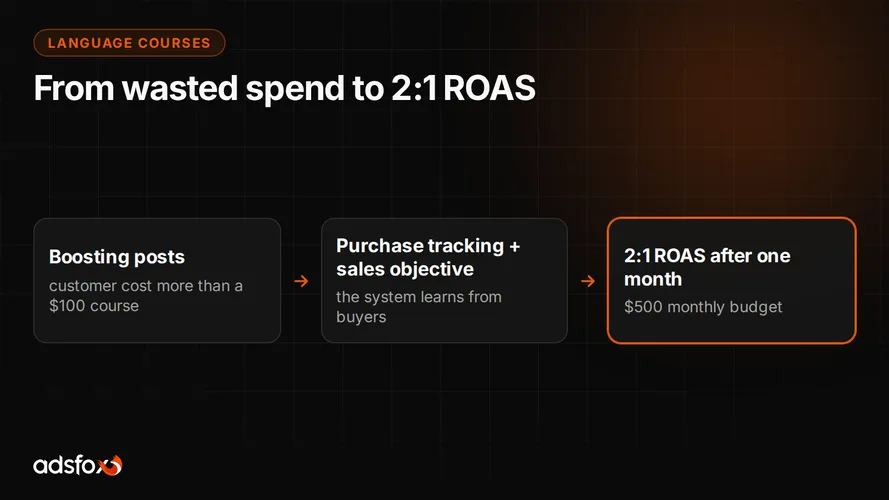
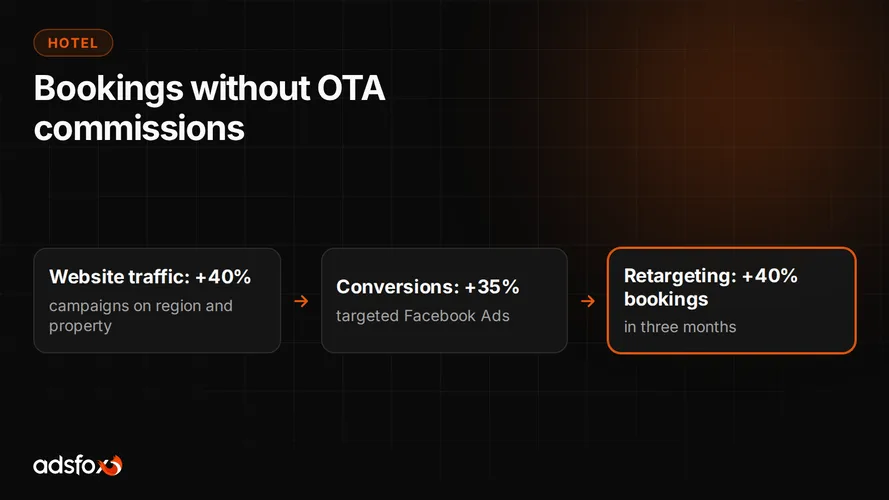
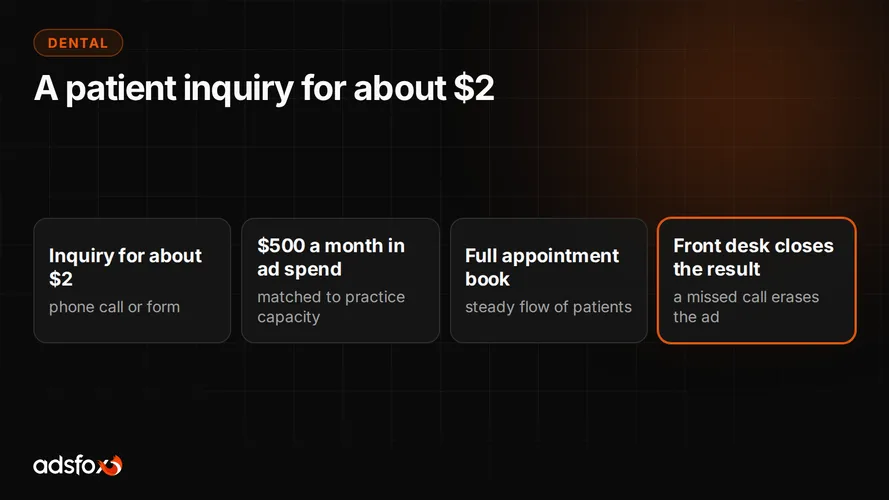
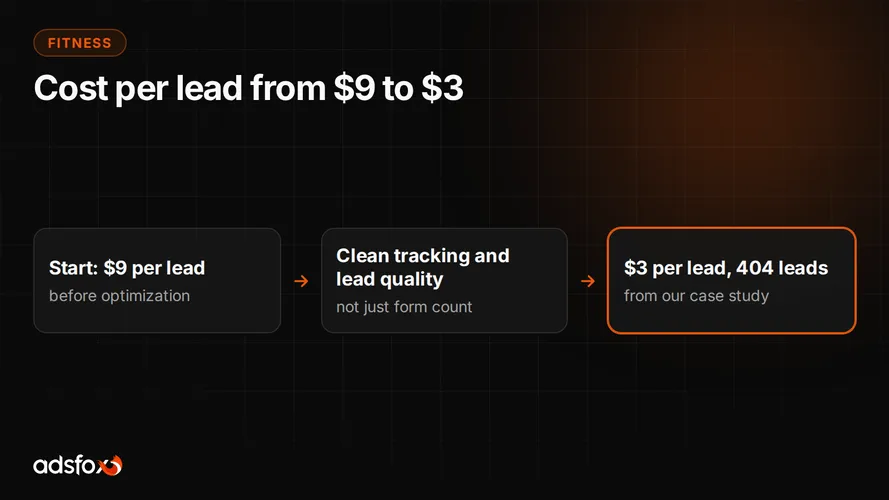
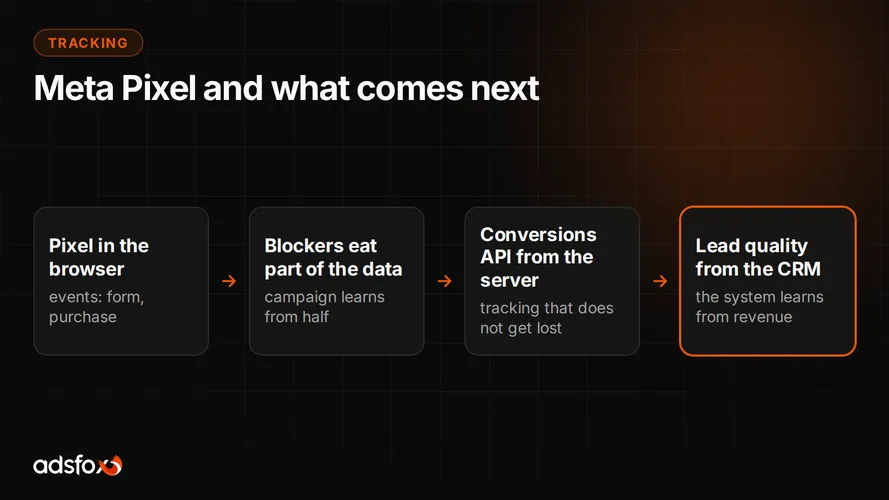
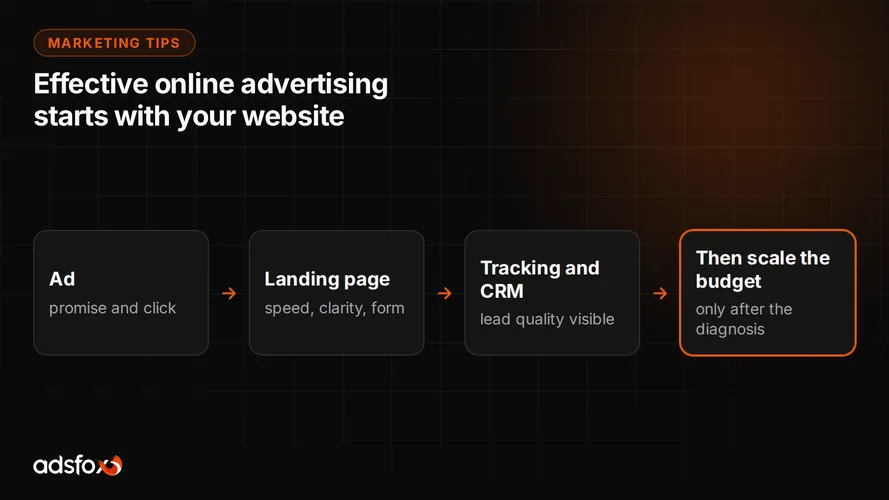
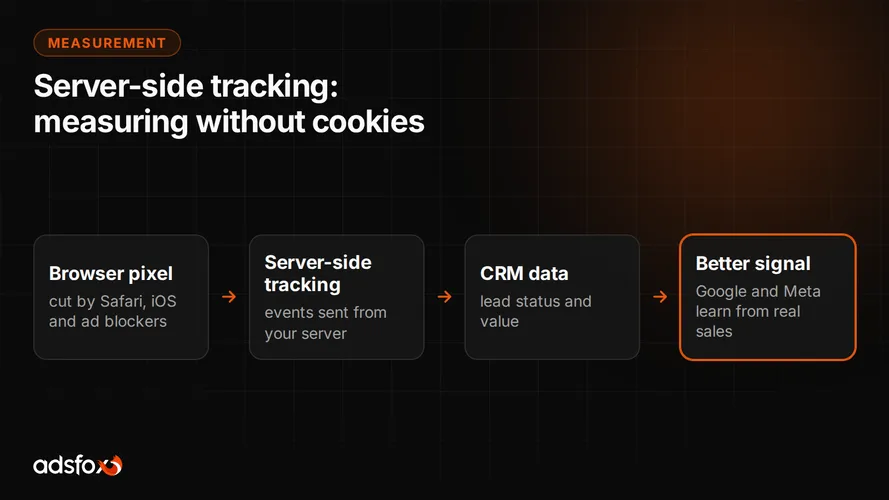





Before you optimize anything, you need to know what is really working. The ad industry is moving away from third-party cookies, browsers restrict tracking, and a growing share of conversions never reaches Google Ads or Meta through the standard pixel. That is why it is worth understanding server-side tracking early: sending conversion events from your server instead of the visitor's browser. The foundation remains proper tagging: UTM parameters on every link you control, GA4 configured with key events, and a naming convention your whole team follows. If you work with an agency or freelancers, give them their own access to Google Tag Manager and the ad accounts rather than handing over your login. You should own every account and every piece of data.
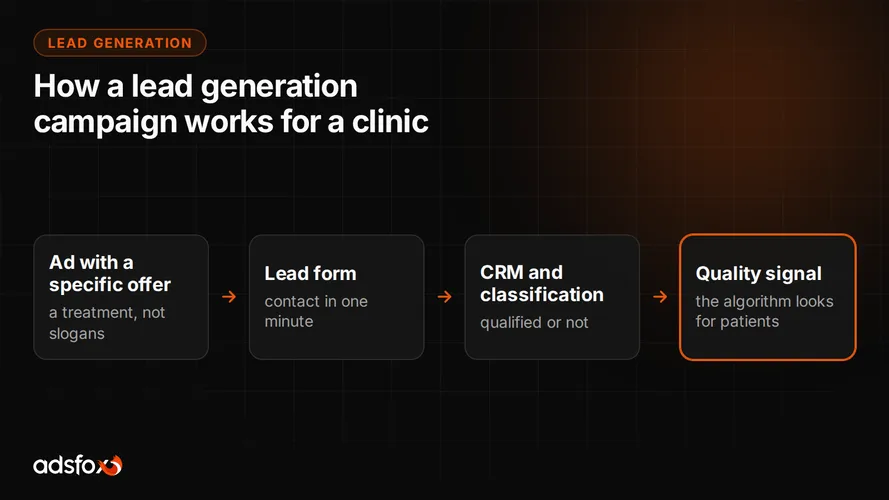
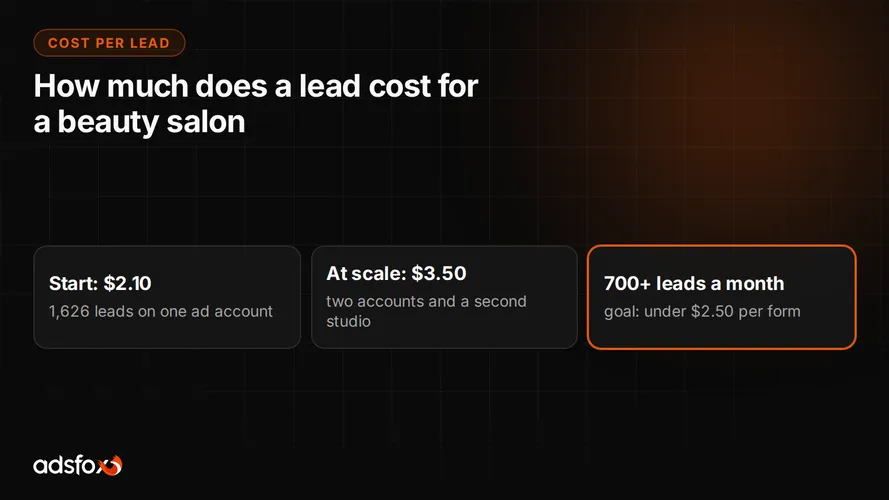
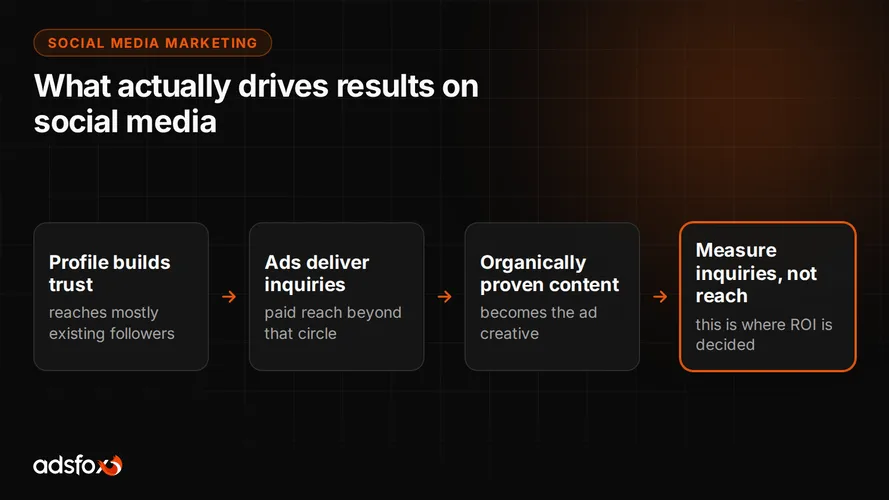
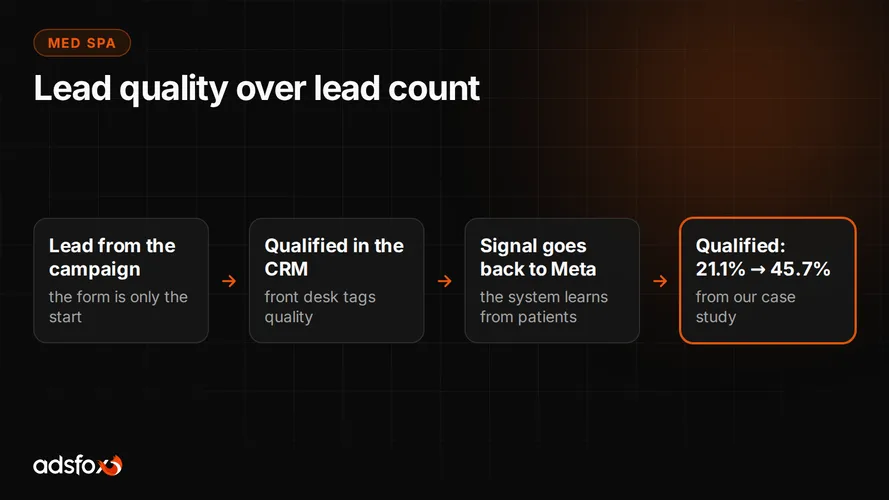
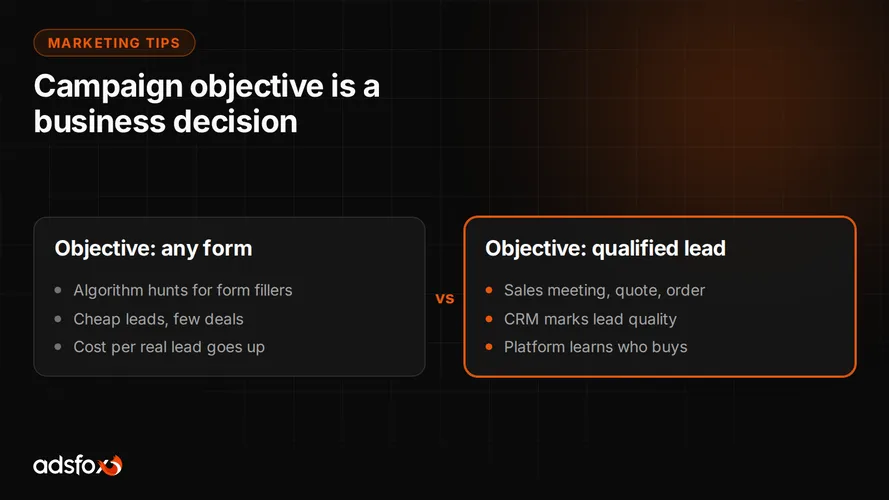
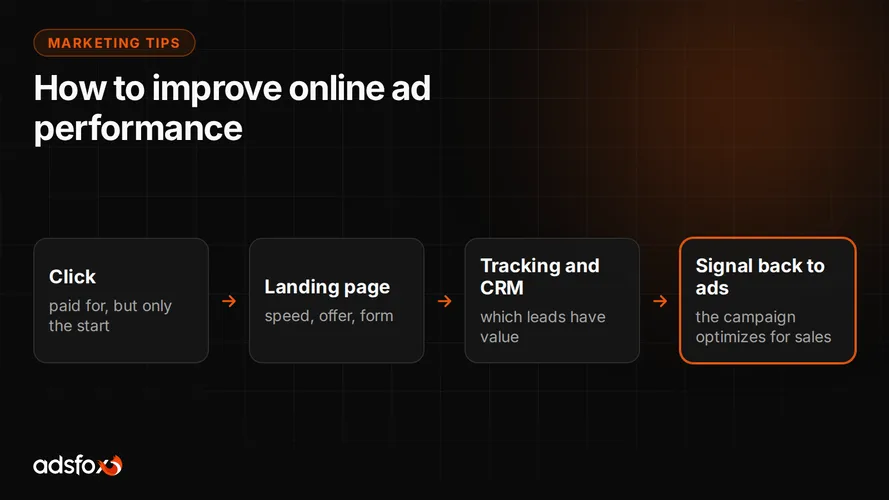
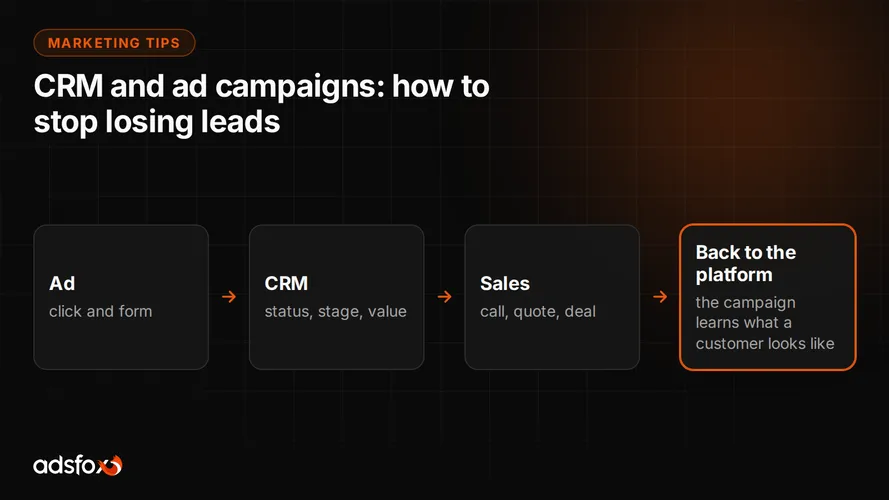
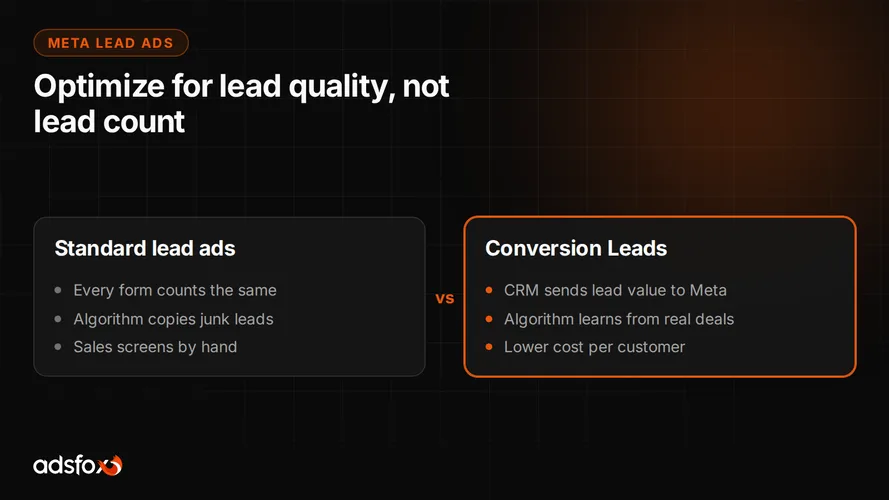
Ads should produce inquiries and sales, not impressions. A lead is worth exactly as much as the process that handles it, so start by connecting your CRM to your ad campaigns: every lead gets a source, a status, and eventually a value, and that information flows back to Meta and Google so their algorithms learn which leads were worth having. This is the loop the adsfox platform was built for, and we describe it under lead generation optimization. Meta's CRM integrations now allow campaigns to optimize toward qualified leads rather than form submissions, which changes the economics of Lead Ads for service businesses. And remember that the campaign objective is a business decision, not a dropdown in the ad manager: choosing "leads" when you actually need booked appointments sets the algorithm up to deliver the wrong thing.
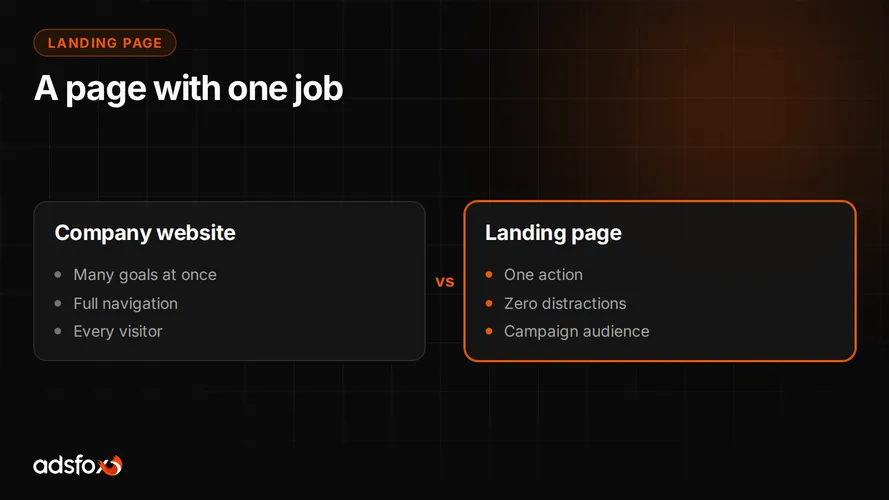
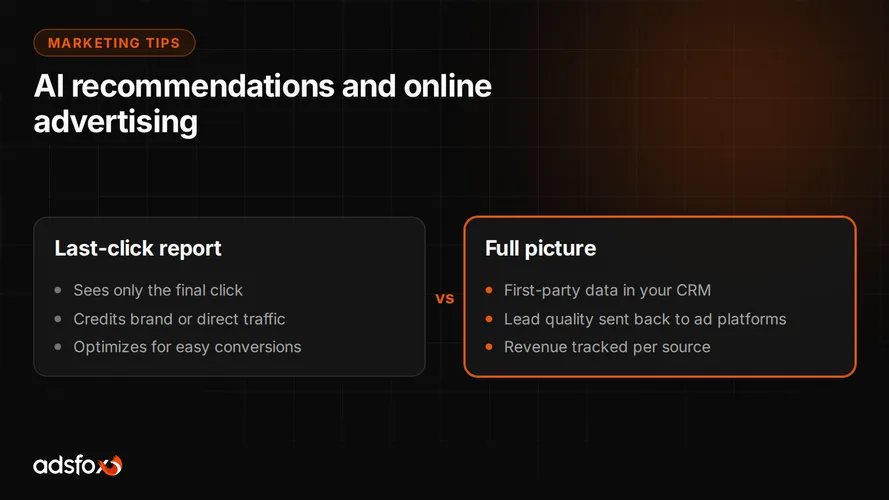
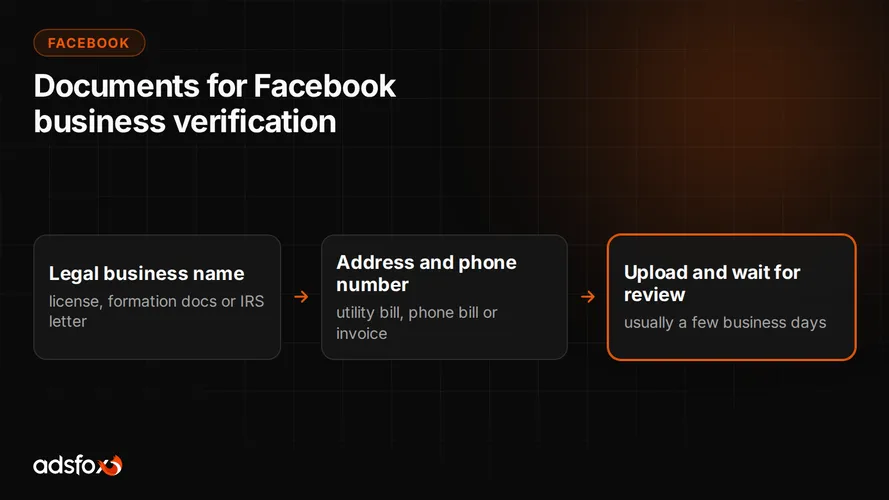
A Facebook ad account needs a few formalities before you can run at full capacity: business verification (an EIN letter, a utility bill, or articles of incorporation are typical documents in the US), a verified domain, and a properly installed pixel and Conversions API. After that, quality decides: several creative variants instead of one, clear offers instead of clever slogans, and a landing page that loads fast on a phone. Meta's automated recommendations are useful when you understand their limits; Advantage+ can scale a campaign that already works and quietly waste the budget of one that does not. When you start thinking about reach beyond Facebook, programmatic display and connected TV have a place, but usually after search and social are saturated, not before.
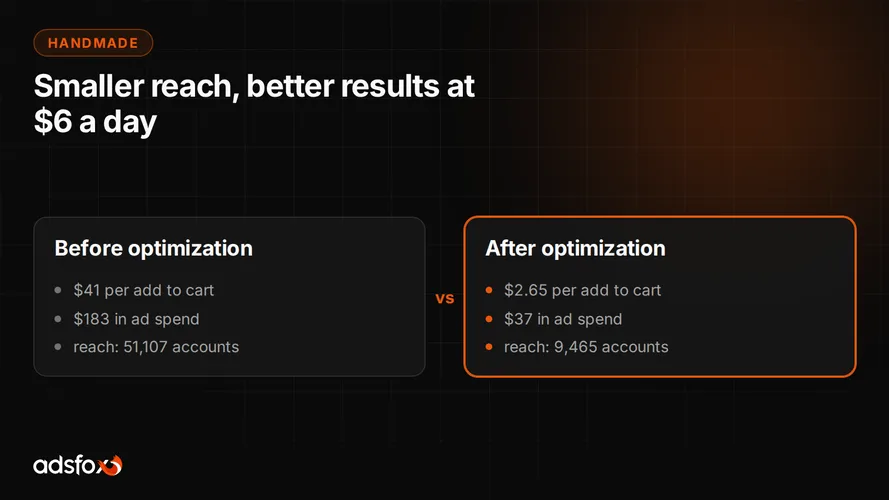
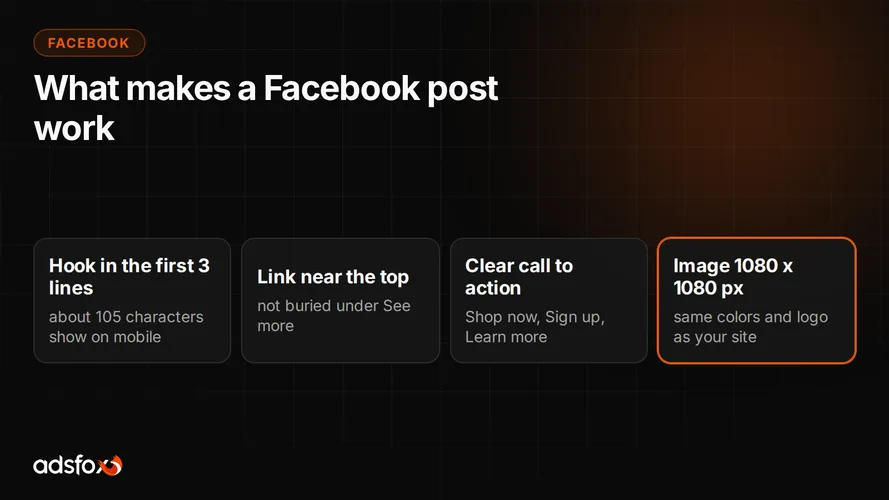
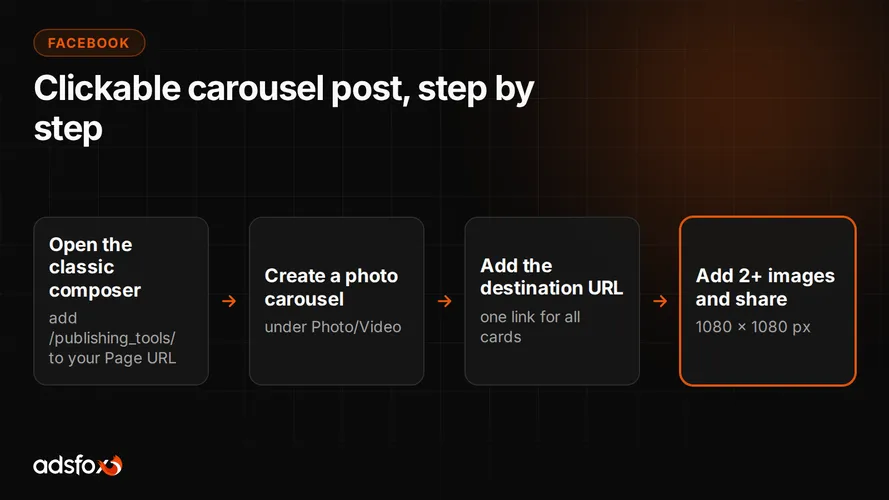
Even the best targeting will not save weak creative. For Facebook and Instagram, the posts that work show a real person, a real result, or a real price in the first second. Carousel ads let you walk a prospect through an offer step by step and consistently earn cheaper clicks than single images for multi-product businesses. Short vertical video (Reels, TikTok, Shorts) now drives a growing share of traffic, and the videos that sell are recorded on a phone by someone who knows the product, not produced in a studio. A format matched to the platform can cut your cost per result dramatically.
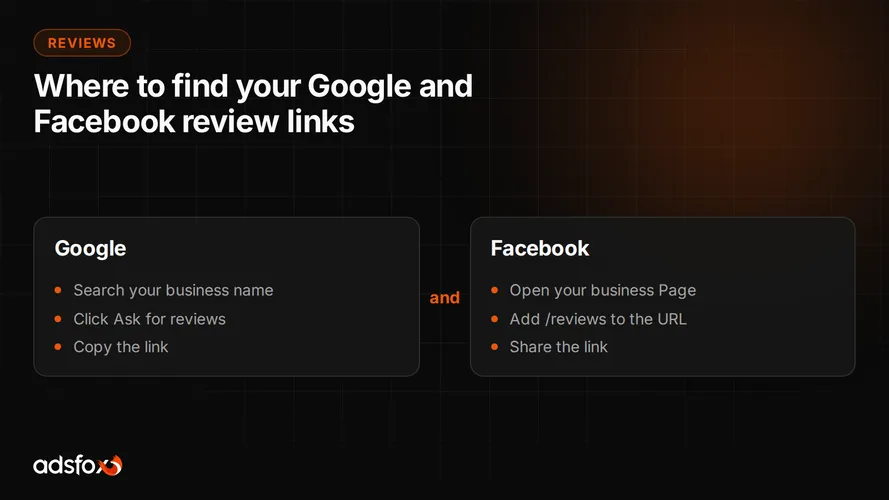
Before a customer clicks your ad, they often check what others say about you. Google and Facebook reviews directly affect the buying decision and, for local businesses, the map ranking. Make it easy: generate your direct Google review link from your Business Profile and send it after every completed job. Reply to every review, including the bad ones, calmly and specifically. A good reputation lowers your cost of acquisition because you have to do less convincing in the ad.
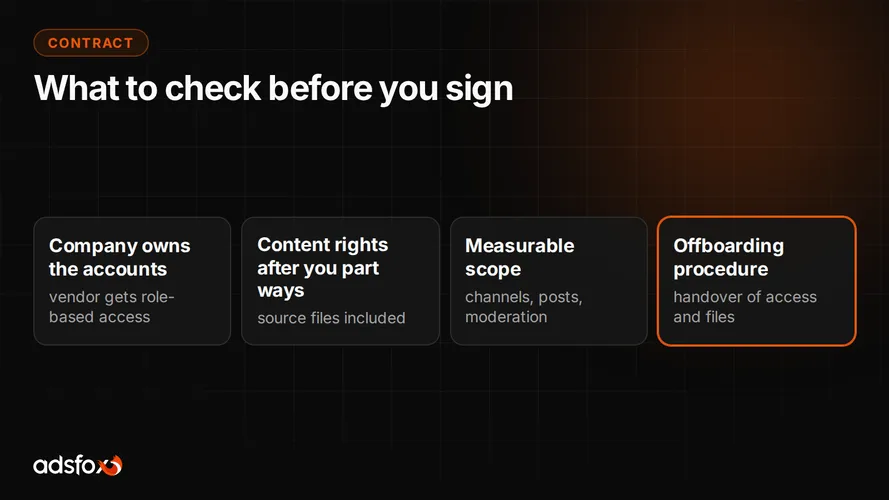
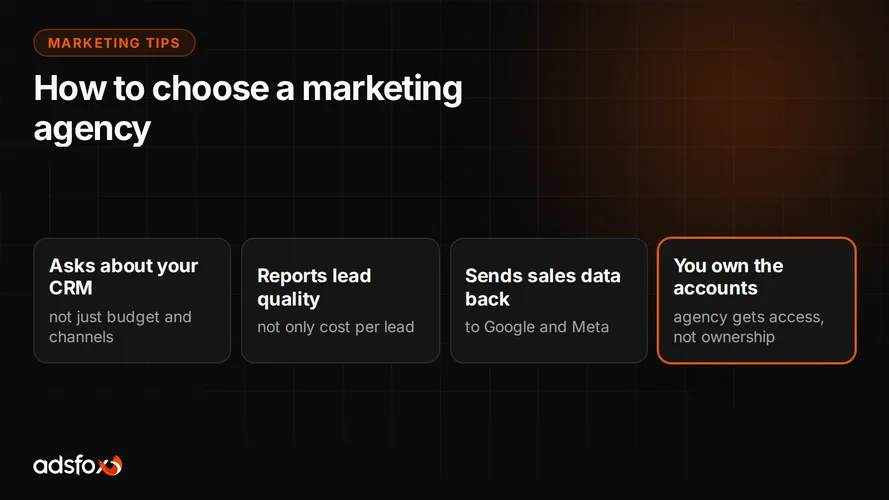
Working with an agency can be your best investment or an expensive mistake, and the difference is who you choose and how. Ask what they will do in the first 90 days, how they measure success, who owns the ad accounts and the data (it should be you), what the contract term and exit look like, and for two clients you can call. Freelancers make sense for a single channel at a small budget; an agency makes sense when you need several channels, tracking, and someone accountable for the number. As a Google Partner since 2018 and a Meta Business Partner, we know what separates a real partner from a seller of promises. If you want one team for everything, see our full service marketing agency page.
These tips work best when you apply them to your own ad account. If you are not sure where you are losing budget, start with a marketing audit: we check tracking, campaigns, creative, and the funnel, and you get a concrete list of things to fix. Want to talk it through? Book a free consultation and we will tell you where to start in your industry.
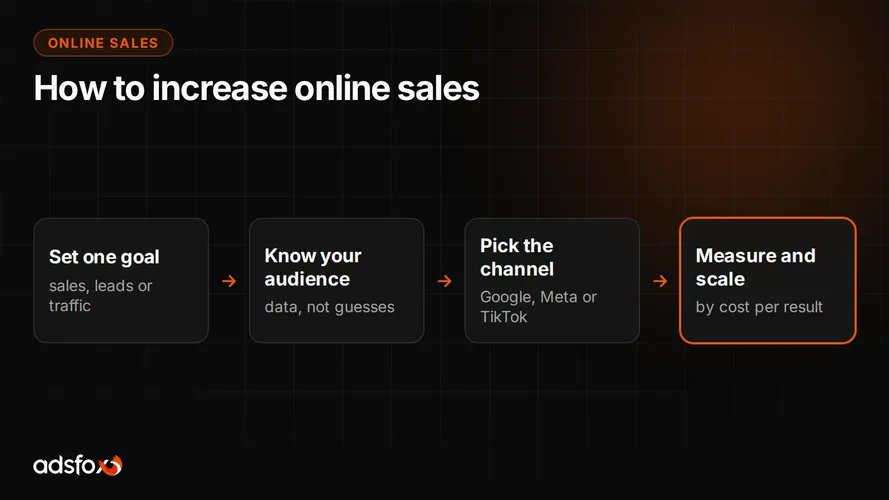
Start with measurement and a clear business goal, then launch campaigns. Without UTM parameters, GA4 key events, and a defined goal (booked calls, purchases, quotes) you cannot tell what actually produces inquiries and sales. Set up tracking and the goal before spending budget.
You need a reference point: compare cost per lead and return on ad spend with what a customer is worth to you, not with a feeling. Track leads through to closed deals in a CRM. If cost per customer is far above what your margin allows, that is the signal to audit the account.
When you lack the time, the technical skills, or the campaigns have grown beyond what one person can manage. A good agency brings experience from many accounts and catches tracking and optimization errors faster. Ask what they will do in the first 90 days and make sure you own the accounts.
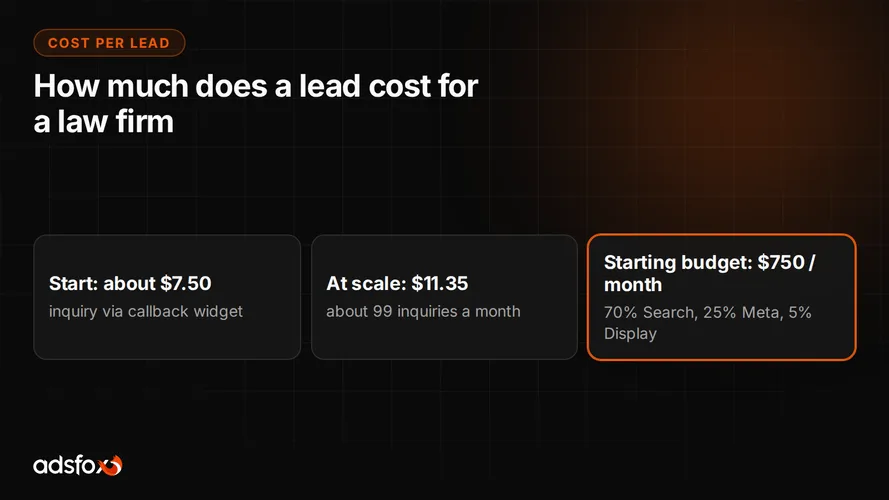
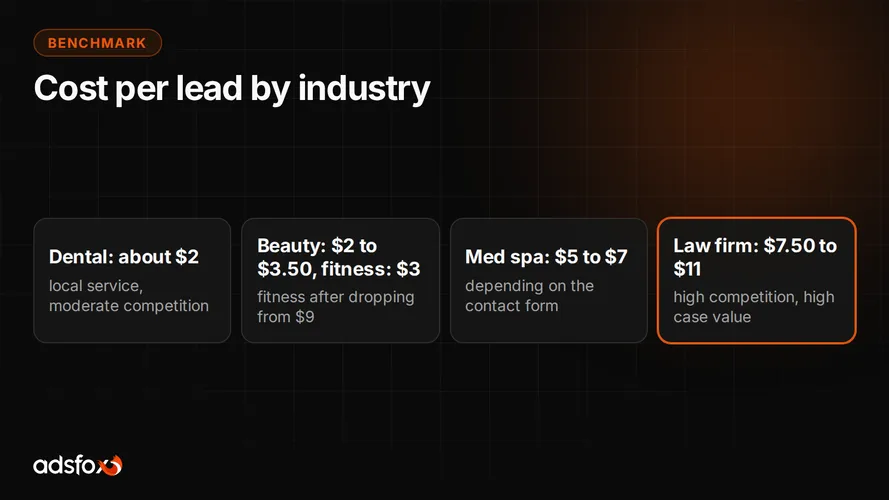
A common rule of thumb is 5% to 10% of revenue, but it is more useful to work backward from the goal: how many customers you need, what a lead costs in your industry, and what conversion rate your sales process achieves. Most of our clients start with $1,000 to $5,000 a month in ad budget plus management.
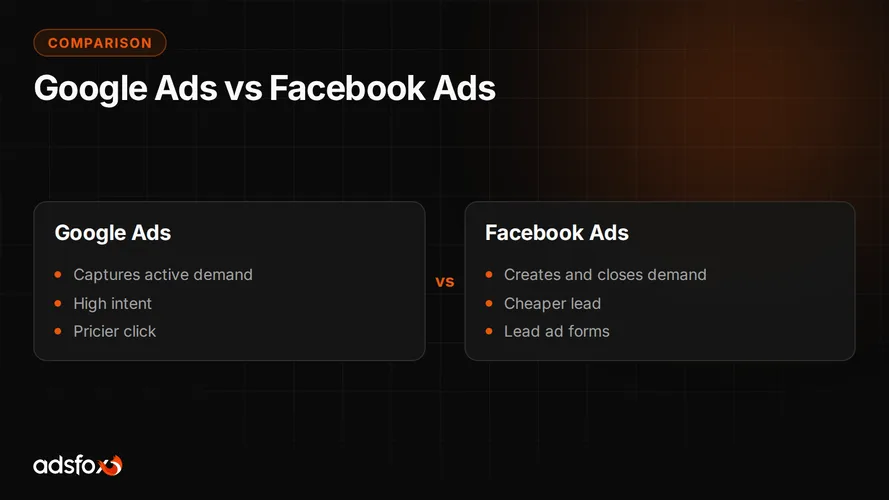
Usually Google Search for demand that already exists (people searching for your service) and Meta for demand you create. Over time, SEO and reviews lower your blended cost per customer. The right mix depends on your industry, which is what a marketing audit establishes.